Agriculture Model of the Sikhs
16-Jun-2023
Future of farming and agriculture in Punjab is bleak
Fertile glacial meltwater diverted in violation of the riparian laws
Bad economics of diverting water from more productive to less productive regions
Overuse of fertilizers and pesticides has reduced soil fertility
Overuse of ground water has depleted the water table
Over-reliance on two crops only - rice and wheat - is bad for environment and economy
Farmers and people need small scale organic farming and limited cash crops
Crops for local consumption only
Restore illegally diverted river water
Encourage pisciculture - fish farming in fresh water
Use 4th industrial revolution technologies e.g. drones and exoskeleton to make farming interesting and glamorous
Free Market for farm to table transport
Limit government involvement in farming to drafting laws and enforcing them
Fertile glacial meltwater diverted in violation of the riparian laws
Bad economics of diverting water from more productive to less productive regions
Overuse of fertilizers and pesticides has reduced soil fertility
Overuse of ground water has depleted the water table
Over-reliance on two crops only - rice and wheat - is bad for environment and economy
Farmers and people need small scale organic farming and limited cash crops
Crops for local consumption only
Restore illegally diverted river water
Encourage pisciculture - fish farming in fresh water
Use 4th industrial revolution technologies e.g. drones and exoskeleton to make farming interesting and glamorous
Free Market for farm to table transport
Limit government involvement in farming to drafting laws and enforcing them
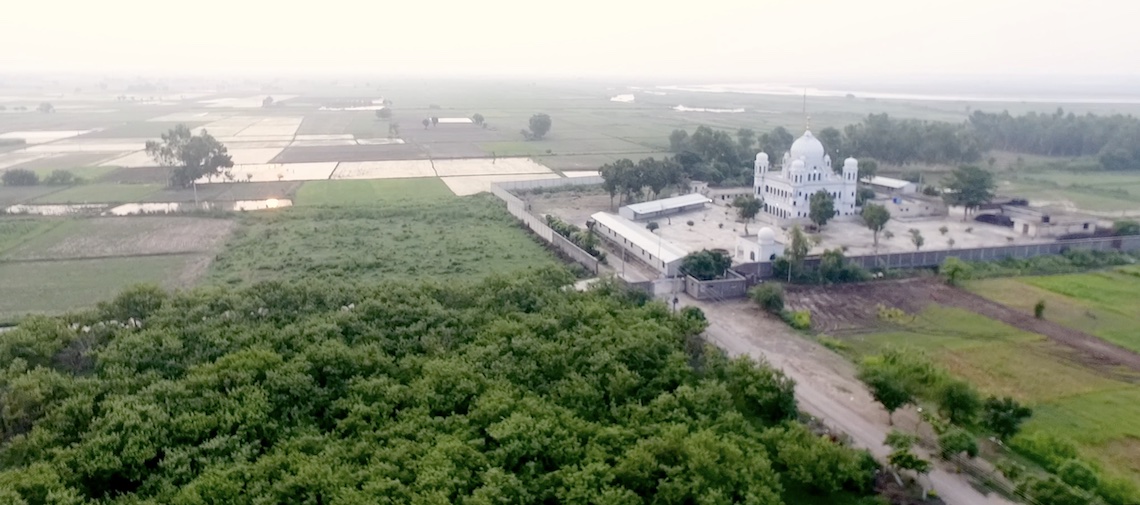
Current Status
The current status of farming and agriculture in Punjab is bleak.The fertile glacial meltwater has been diverted not just in violation of the most basic riparian laws, but also bad economics of diverting water from more productive regions to less productive regions.
Overuse of fertilizers and pesticides has reduced soil fertility, and made the land and ground water toxic.
Overuse of ground water to grow Rice which requires a lot of water, has depleted the water table. Rice is foreign to the land and people's diet is exported.
Intensive agriculture has further lowered the productivity. There is pressure to extract more from less land.
Guaranteed procurement price of only 2 food crops - wheat and rice - has made the farmers dependent on only 2 crops for income. Small farmers cannot take the risk and diversify into other crops that are healthier for the people, less toxic to the environment, and less resource intensive.
The land of the Sikhs is tired. Too much has been asked of it, and too much extracted in the worst possible way with no regard to long term sustainability.
The problems also spill over into every walk of life.
Health: Overuse of fertilizers and pesticides has made the land, ground water, air and food toxic. None are fit for human use. Cancer and health issues have exploded.
Demographic change: Labor intensive agriculture has led to massive migration and demographic dilution of the Sikhs.
Indebtness: Imported diesel fuel, imported fertilizer, imported pesticide has made farmers and Punjab indebted. Farming is not profitable without heavy subsidizes. This leads to cannibalizing government budget from other sectors. Punjab remains an under-developed state with illusion of prosperity from foreign remittances fuelling consumer spending.
High value industries and development not prioritized: becasue of focus on agriculture.
| Punjab Government Budget Allocation (2023-24) | |
|---|---|
| Sector | Budget |
| Agriculture and Allied Activities | ? 13,704 cr |
| Health and Family Welfare | ? 5,595 cr |
| Urban Development | ? 2,682 cr |
| Roads and Bridges | ? 2,443 cr |
| Water Supply and Sanitation | ? 1,987 cr |
Government spends more on subsidizing Agriculture than on Health and Family Welfare; Urban development; Roads and Bridges; Water Supply and Sanitation; combined. Source: Punjab Budget Analysis . This keeps Punjab an under-developed state with illusion of prosperity from foreign remittances fuelling consumer spending.
All of this is due to policies of Government of India. It is hard to tell where malice begins and incompetence ends. The blame lies not just with the government, but the culture of India which is unable to solve any of its problems. India's extreme-Machialivilian and Chanakya-niti culture not only never solves any problem, it also creates a sense of helplessness. That is how India's culture is. All those who have ideas and can take the initiative are harassed, silenced, and imprisoned. This is why India remains a low achievement country.
There is no cultural, administrative or political will to solve any problem. This is just one of the reasons why there is urgent need for Sikh Sovereignty.
Farming in Punjab will continue to have a bleak future as long as it is politically subservient to a low achievement and manipulative culture that thrives on creating a sense of helplessness.
Any Agriculture Model has to minimize the problems mentioned above.
Agriculture Model
Agriculture Model for the future is of small scale organic farming of traditional food crops, and limited cash crops.Food and cash crops will be grown for local consumption only. Farming in Punjab is already very intensive and relies on imported diesel, imported fertilizer, imported pesticides, and migrant labour. Agriculture also heavily pollutes. Global warming, bio-diversity loss, and overuse of groundwater has left it a dust-bowl. The land cannot produce more for export to Middle East along the Belt Road, or anywhere else.
Growing high quality healthy nutritious organic and traditional crops will bring more income to farmers and improve people's health.
Restoring illegally diverted river water to Punjab will allow sustainable pisciculture (fish culture) in freshwater. This will provide quality protein to the public, and extra income to farmers with land near river and canals.
Restoring illegally diverted river water to Punjab and avoidance of Rice cultivation will minimize the need for expensive ground water extraction.
Strict control of water pollution so a few industries cannot pollute water that is used by millions.
Use of Fourth Industrial Revolution technologies such as drones and exoskeleton will make farming interesting and even glamorous again. Fourth Industrial Revolution technologies will reduce dependence on migratory labor, and minimize demographic dilution of Sikhs, which is the biggest social problems in Punjab.
Crops that require storage or processing will be sold to local private corporations for processing and packing. Crops that are consumed immediately such as vegetables and fruit will be sold in local market by small scale traders as it now. This will be regulated by good laws.
Free Market will take care of farm to table transport. There will be no government interference or involvement beyond drafting laws to ensure quality and safety.
Land of the Sikhs cannot be the Bread Basket it once was.
Land of the Sikhs cannot produce food for all, or be anyone's Welfare State.
Land of the Sikhs cannot be a guinea pig for experimental corporate farming as it was during the disastrous un-Green revolution that left it a dust bowl.
The above model will:
Ensure inter-generational wealth in the form of land will continue to be passed to next generation instead of being sold due to indebtness
Make farming interesting and even glamorous again by adopting Fourth Industrial Revolution technologies such as drones and exoskeleton
Keep people connected to their land
Reduce the biggest social problem of demographic dilution by migratory labor
Ensure nutrititious food to people of Punjab
Reduce indebtness of farmers and Punjab by reducing import of diesel fuel, fertilizers, and pesticides
Reduce demands on land to produce more
Reduce toxicity of air, water and food
Minimize government involvement in farming. Government role will be limited to drafting good laws and enforcing them.
Leverage free market for efficient transfer of food from farm to table.
To the future
The land of the Sikhs is tired. Too much has been asked of it, and too much extracted in the worst possible way with no regard to long term sustainability."What do I get?" and "What is in it for me?" mindset decides every action by everyone involved in farming.
As with any complex problem, there are multiple entities to blame, including the Sikhs themselves.
Sikh farmers have become addicted to subsidized electricity; guaranteed procurement price(MSP); imported diesel fuel, fertilizer and pesticides; loan waivers; and cheap labor.
Government uses agriculture policies as political tool to dilute Sikh's population, keep them indebted to corporations, and dependent on corporations for diesel fuel, fertilizer, pesticides, and subsidized thermal power.
Geopolitical visionaries envision this tiny over-exploited land feeding Middle East via the New Silk Road. Socialists and Nationalists talk of this tiny province of 30 million people feeding India - a country of 1.4 billion and growing. Such plans will turn this over-exploited dust bowl into a desert.
Farming consultants have made careers proposing 'reforms' without adressing the core issue: Farming in Punjab will continue to have a bleak future as long as it is politically subservient to a low achievement and manipulative Indian culture that thrives on creating a sense of helplessness.
Everyone has their snout in the trough, and two front trotters as well.
"Bad ideas flourish because they are in the interest of powerful groups." (Paul Krugman, Professor of Economics, and Nobel prize in Economics). Current agriculture model in Punjab is textbook case of bad ideas flourishing because they are in the interest of powerful groups.
Lack of clarity, lack of intellectual honesty, lack of self-confidence, lack of belief, lack of vision, lack of trust in institutions and each other, greed, easy life from importing migratory labor, government's hidden political agenda, and sense of helplessness from being subservient to extreme-Machialivilian and Chanakya-niti Indian culture has made a solvable problem linger on for decades.
Give this enchanted, sacred, unloved, over-exploted and tired land a break. Just let Punjab - the land of the Sikhs - produce traditional food for its people using water due to it under universal riparian laws. Punjab is tired and can't feed the world or get involved in any grandiose plans.
Partner with us
We are ready to partner with you to ensure your interests are met.We provide specialized and deep knowledge, advocacy, implementation partnership, and contacts for all activities in Punjab.
About
FURTHER READING
RELATED ARTICLES
REFERENCES
Banda Singh Bahadur
Fertiliser overuse: Wheat yield, soil fertility decrease in Punjab